Gymnastics Equipment for Different Events and Skill Levels
Gymnastics equipment ranges from basic training aids to specialized apparatus for artistic, rhythmic, and recreational gymnastics. Common choices include balance beams, uneven bars, horizontal bars, vaulting tables, springboards, floor exercise mats, and training wedges. Rhythmic gymnastics adds items such as ribbons, hoops, balls, clubs, and ropes, while general conditioning may involve stretch bands, hand grips, and foam rollers. The right setup depends on the athlete's discipline, experience, available space, and training goals. Beginners often benefit from low-profile, adjustable equipment that supports foundational movement before progressing to full-size apparatus. Clubs and experienced gymnasts may need event-specific equipment designed for repeated practice. Explore different equipment types to build a setup suited to skill development, conditioning, or home practice.
- Artistic, rhythmic, and recreational training options
- Apparatus for beginners through advanced gymnasts
- Equipment for skill practice and conditioning
Gymnastics Mats, Flooring, and Landing Surfaces
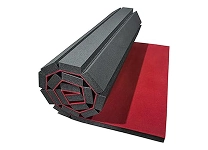
Mats and flooring help create a more suitable surface for drills, tumbling, stretching, and dismount practice. Options include folding panel mats, roll-out mats, landing mats, crash mats, incline wedges, and interlocking foam tiles. Compare thickness, density, dimensions, and construction: firmer surfaces can support balance and controlled movement, while thicker cushioning is intended for particular landing and impact-training needs. A non-slip underside and securely joined sections can help limit shifting during use, but the surface should still be checked before each session. Consider how the mat will be stored, carried, and cleaned, especially when training space serves multiple purposes. Match the surface to the activity and the athlete's level, and follow product instructions for use rather than treating any mat as a substitute for supervision or sound technique.
- Folding, roll-out, wedge, and landing mats
- Compare cushioning, grip, size, and storage
- Choose surfaces for the intended activity
Apparatus, Adjustability, and Training Features
Apparatus selection involves more than choosing an event: dimensions, adjustment range, stability, and installation all affect how equipment fits a training space. Balance beams are available in low training profiles as well as competition-style heights; bar systems may have adjustable height or width, depending on their design. Vaulting equipment and springboards also vary by intended use and user experience. Check the manufacturer's specifications for footprint, weight limits, assembly requirements, and compatible accessories before purchasing. Some home training products are designed for basic drills, while club apparatus may require dedicated space and appropriate installation. Recognized equipment makers in gymnastics include SPIETH, AAI, and Tumbl Trak; compare each product's stated features rather than assuming models are interchangeable. A clear understanding of the apparatus and its adjustments helps narrow options to practical choices.
- Check dimensions, setup, and adjustment range
- Compare training apparatus by intended use
- Review specifications and accessory compatibility
Safety, Fit, and Space Planning
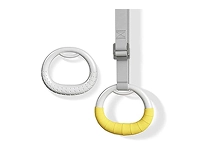
A well-planned gymnastics setup accounts for the athlete, the equipment, and the surrounding practice area. Measure the available floor space and ceiling clearance, then allow room around apparatus for movement and safe supervision. Confirm that equipment is appropriate for the user's size, skill level, and planned drills; adjustable features do not make every product suitable for every gymnast. Inspect fasteners, frames, seams, and mat surfaces regularly, and discontinue use if a component appears damaged or unstable. Follow assembly and maintenance instructions, and seek qualified guidance for installation where required. For shared spaces, consider equipment that can be folded or stored without compromising its condition. Grips, straps, and other wearable accessories should fit comfortably and be used as intended. Thoughtful planning supports more organized practice and helps avoid mismatched purchases.
- Measure room dimensions and clearance first
- Match equipment to the gymnast and activity
- Inspect and assemble products as instructed
Accessories, Care, and Everyday Training
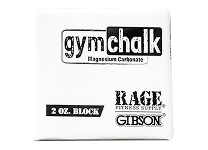
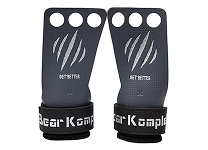
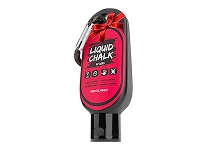
Accessories can make a gymnastics training area more versatile. Stretch bands and conditioning tools support mobility and strength work, while hand grips may be used for certain bar routines when appropriate to the gymnast and equipment. Chalk, protective covers, storage racks, and replacement parts can also be relevant, subject to the product maker's guidance and the facility's rules. Keep mats dry and free of debris, clean surfaces using recommended methods, and store portable items away from excessive heat or moisture. Check that straps, closures, and connectors remain serviceable, and avoid using incompatible parts. Ubuy offers a place to discover international gymnastics equipment and accessories across different product types. Reviewing descriptions and specifications closely can help shoppers compare materials, dimensions, included components, and care instructions before choosing items for training or home practice.
- Consider conditioning and event-specific accessories
- Follow care guidance for each material
- Compare included parts and product dimensions
Select the Right gymnastics equipment
Start with the kind of gymnastics you plan to practice, then narrow the choice by skill level, available space, and frequency of use. Compare essential specifications such as dimensions, materials, cushioning, adjustment options, assembly needs, and stated user limits. For mats, consider the activity and the balance of firmness and padding; for apparatus, verify stability, footprint, and compatibility with any planned accessories. Check whether the product is intended for home drills, club training, or another setting, and make sure there is adequate room for setup and use. Read care and inspection instructions so ongoing maintenance is clear. Ubuy can help shoppers discover international products in this category and compare options by their listed features. A considered selection makes it easier to build a practical setup that supports consistent, appropriately supervised training.
- Prioritize discipline, skill level, and space
- Compare specifications before purchasing
- Plan for setup, care, and regular inspection